
Heel pain can negatively affect your day-to-day life. Simple activities like walking can become incredibly uncomfortable or painful due to heel pain.
Don’t live with heel pain and get treated.


Heel pain can negatively affect your day-to-day life. Simple activities like walking can become incredibly uncomfortable or painful due to heel pain.
Don’t live with heel pain and get treated.
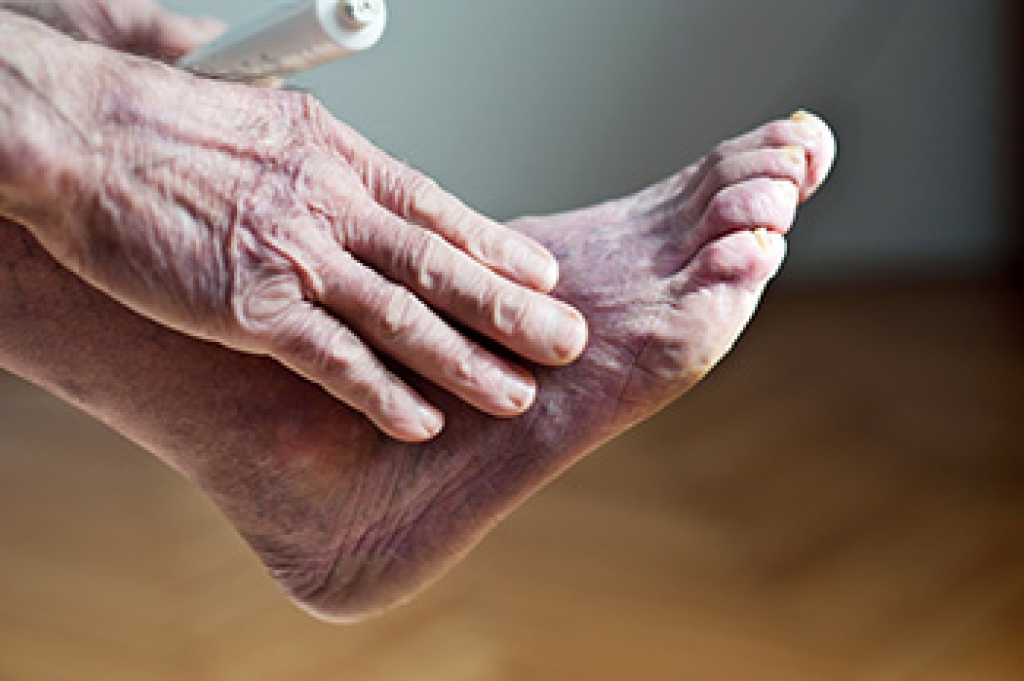
Foot color changes can sometimes provide an important clue about circulation and underlying health conditions. Systemic sclerosis, also called scleroderma, is a chronic autoimmune condition that can cause changes in the skin and connective tissues. It can also affect blood vessels, particularly those supplying the fingers and toes. People with systemic sclerosis may notice that their feet or toes change color when exposed to cold temperatures or during periods of stress. The skin may appear pale, blue, or purple, as blood flow changes. These episodes can occur with other symptoms, such as cold feet, numbness, or discomfort.
One common circulation-related symptom associated with systemic sclerosis is Raynaud phenomenon. During an episode, blood vessels in the toes can narrow temporarily, reducing blood flow and causing the affected area to become pale or bluish. As circulation returns, the toes may become red and feel warm, uncomfortable, or tingly. Foot color changes can also have many other causes, so they should not automatically be assumed to be related to systemic sclerosis. A professional evaluation can help identify the reason for the change.
Risk factors for circulation problems associated with systemic sclerosis include having the condition itself, repeated exposure to cold, and vascular involvement. Symptoms that deserve attention include persistent color changes, unusual coldness, and tingling. In more serious cases, reduced blood flow can contribute to ulcers or tissue damage. A podiatrist can examine the feet for changes in skin condition, temperature, and areas of pressure.
Foot color changes should not be ignored, particularly when they are new, persistent, painful, or accompanied by wounds. Early evaluation can help identify circulation concerns and reduce the risk of complications. Treatment depends on the underlying cause and may include protecting the feet from cold, addressing pressure areas, and providing appropriate footwear. If you have unexplained foot color changes, it is suggested that you consult a podiatrist who can provide effective management solutions.
When dealing with systemic disease of the feet, it is extremely important to check the affected areas routinely so that any additional problems are caught quickly. If you have any concerns about your feet and ankles contact Adam Klein, DPM from Lynbrook, NY. Our practitioner will assist you with all of your podiatric needs.
Systemic Diseases of the Feet
Systemic diseases affect the whole body, and symptoms usually are displayed in the feet. This condition can make a patient’s ability to walk unbearable. Systemic diseases include gout, diabetes mellitus, neurological disorders, and arthritis.
Gout – is caused by an excess of uric acid in the body. Common symptoms include pain, inflammation, and redness at the metatarsal/phalangeal joint of the base big toe. Gout can be treated by NSAIDs to relieve pain and inflammation, and other drugs that lower the acid levels in the body.
Diabetes mellitus – is an increase in the level of blood sugar that the body cannot counteract with its own insulin. Failure to produce enough insulin is a factor in Diabetes.
Diabetes of the Feet
Diabetic Neuropathy – may lead to damaged nerves and affect the feet through numbness and loss of sensation.
Peripheral Vascular Disease – can restrict the blood flow to the feet, and often times lead to amputation of the feet.
If you have any questions please contact our office located in Contact Us . We offer the newest diagnostic and treatment technologies for all your foot and ankle needs.
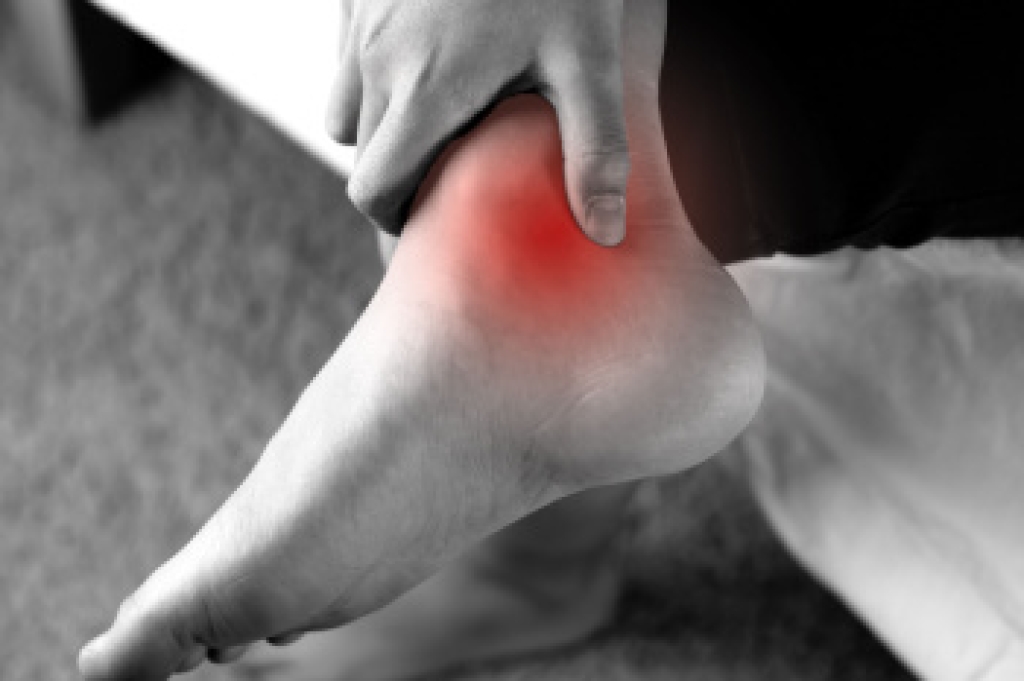
Tarsal tunnel syndrome develops when the posterior tibial nerve becomes compressed within a narrow passage near the inside of the ankle, called the tarsal tunnel. This nerve travels through the ankle and supplies areas of the heel and bottom of the foot. When pressure develops around the nerve, pain can occur along its path. Several problems may contribute to this compression. Abnormal foot function, inflammatory arthritis, and ankle swelling are possible factors. Cysts or changes in the tissues surrounding the nerve may also reduce space within the tunnel and create irritation.
Symptoms of tarsal tunnel syndrome commonly include pain around the inside of the ankle. The discomfort may spread into the heel, sole, or toes. Some people describe the pain as burning or tingling. Symptoms often become worse while standing or walking. As nerve compression progresses, discomfort may eventually occur even while resting. Because heel and arch pain can have several possible causes, determining where the symptoms begin and how they spread is important. A professional examination can help distinguish tarsal tunnel syndrome from other foot problems that may cause similar discomfort.
A podiatrist can evaluate foot and ankle pain to determine whether the posterior tibial nerve may be compressed. During an examination, pressure or tapping near the affected nerve may reproduce tingling that travels toward the heel or toes. Nerve testing may help support a diagnosis, while an MRI can identify a growth or other structure placing pressure on the nerve. Treatment depends on the underlying cause and severity of the symptoms. Professional options may include orthotics or injections to reduce symptoms. Surgery may be necessary when persistent nerve compression does not respond to other treatments. If burning, tingling, or persistent pain is affecting your ankle or foot, it is suggested that you consult a podiatrist for an evaluation and appropriate treatment options.
Tarsal tunnel syndrome can be very uncomfortable to live with. If you are experiencing tarsal tunnel syndrome, contact Adam Klein, DPM of Lynbrook, NY. Our practitioner can provide the care you need to keep you pain-free and on your feet.
Tarsal Tunnel Syndrome
Tarsal tunnel syndrome, which can also be called tibial nerve dysfunction, is an uncommon condition of misfiring peripheral nerves in the foot. The tibial nerve is the peripheral nerve in the leg responsible for sensation and movement of the foot and calf muscles. In tarsal tunnel syndrome, the tibial nerve is damaged, causing problems with movement and feeling in the foot of the affected leg.
Common Cause of Tarsal Tunnel Syndrome
The Effects of Tarsal Tunnel Syndrome
A physical exam of the leg can help identify the presence of tarsal tunnel syndrome. Medical tests, such as a nerve biopsy, are also used to diagnose the condition. Patients may receive physical therapy and prescriptive medication. In extreme cases, some may require surgery.
If you have any questions please contact our office located in Contact Us . We offer the newest diagnostic and treatment technologies for all your foot and ankle needs.

Falls at home can happen quickly. A fall may cause bruises, sprains,or foot and ankle pain. Common symptoms after a fall include swelling, tenderness, and pain when putting weight on the foot. Some injuries may not seem serious immediately, so ongoing discomfort should not be ignored. Anyone can experience a household fall, regardless of age or activity level, and they can affect daily routines and confidence at home too.
Falls prevention starts with making your bedroom safer. Remove clutter from walkways and keep shoes, cords, and other items off the floor. Make sure lighting is bright enough for nighttime movement. A securely attached bed cane can provide support when sitting down or standing up from bed. In the bathroom, install grab bars near the toilet and shower. Non-slip mats can also help reduce slipping. These changes can make movement more stable and reduce hazards.
A fall can lead to several foot conditions, including ankle sprains, toe fractures, and soft-tissue injuries. If foot and ankle pain develops after a fall, a podiatrist can evaluate the injury and determine whether imaging is needed. The examination may include checking swelling, range of motion, and your ability to bear weight. Treatment depends on the injury and may include rest, wearing supportive footwear, or other appropriate care. Follow-up visits help monitor healing.
Preventing falls is about protecting your ability to walk comfortably. Keep pathways clear and use support equipment correctly. Pay attention to new pain after any fall. Prompt podiatric care can help identify injuries before they worsen and support safe healing. If you have foot and ankle pain from falling at home, it is suggested that you consult a podiatrist for effective relief, treatment, and additional prevention tips.
Preventing falls among the elderly is very important. If you are older and have fallen or fear that you are prone to falling, consult with Adam Klein, DPM from Lynbrook, NY. Our practitioner will assess your condition and provide you with quality advice and care.
Every 11 seconds, an elderly American is being treated in an emergency room for a fall related injury. Falls are the leading cause of head and hip injuries for those 65 and older. Due to decreases in strength, balance, senses, and lack of awareness, elderly persons are very susceptible to falling. Thankfully, there are a number of things older persons can do to prevent falls.
How to Prevent Falls
Some effective methods that older persons can do to prevent falls include:
Falling can be a traumatic and embarrassing experience for elderly persons; this can make them less willing to leave the house, and less willing to talk to someone about their fears of falling. Doing such things, however, will increase the likelihood of tripping or losing one’s balance. Knowing the causes of falling and how to prevent them is the best way to mitigate the risk of serious injury.
If you have any questions, please feel free to contact our office located in Contact Us . We offer the newest diagnostic and treatment technologies for all your foot care needs.
