
When Foot Pain Strikes Along the Outer Edge

Discomfort along the outer edge of the foot can make every step challenging. This pain often develops from repetitive strain, minor injuries, or an imbalance in how weight is distributed while walking. Overstretching or inflammation of the tendons on the side of the foot is common, but sometimes a stress fracture or joint irritation is to blame. Wearing narrow or unsupportive shoes can also add pressure to the area and worsen symptoms. A podiatrist begins by identifying the exact cause through examination and imaging, if needed, then designs a treatment plan that may include rest, supportive footwear, or custom orthotics to ease tension and promote healing. Addressing the issue early helps prevent chronic discomfort. If you have persistent pain on the side of the foot, it is suggested that you schedule an appointment with a podiatrist for an evaluation and appropriate treatment.

Foot Pain

Foot pain can be extremely painful and debilitating. If you have a foot pain, consult with Adam Klein, DPM from Lynbrook, NY. Our practitioner will assess your condition and provide you with quality foot and ankle treatment.

Causes

Foot pain is a very broad condition that could be caused by one or more ailments. The most common include:

  • Bunions
  • Hammertoes
  • Plantar Fasciitis
  • Bone Spurs
  • Corns
  • Tarsal Tunnel Syndrome
  • Ingrown Toenails
  • Arthritis (such as Gout, Rheumatoid, and Osteoarthritis)
  • Flat Feet
  • Injury (from stress fractures, broken toe, foot, ankle, Achilles tendon ruptures, and sprains)
  • And more

Diagnosis

To figure out the cause of foot pain, podiatrists utilize several different methods. This can range from simple visual inspections and sensation tests to X-rays and MRI scans. Prior medical history, family medical history, and any recent physical traumatic events will all be taken into consideration for a proper diagnosis.

Treatment

Treatment depends upon the cause of the foot pain. Whether it is resting, staying off the foot, or having surgery; podiatrists have a number of treatment options available for foot pain.

If you have any questions, please feel free to contact our office located in Contact Us . We offer the newest diagnostic and treatment technologies for all your foot care needs.

Read more about Foot Pain

Get Proper Treatment for Ankle Injuries

If you're experiencing ankle pain, you may be suffering from an ankle injury. Sprains, fractures, Achilles tendonitis, and Achilles tendon ruptures are just some examples of potential ankle injuries. Don't wait for care for an ankle injury, as it may worsen over time. We can help!

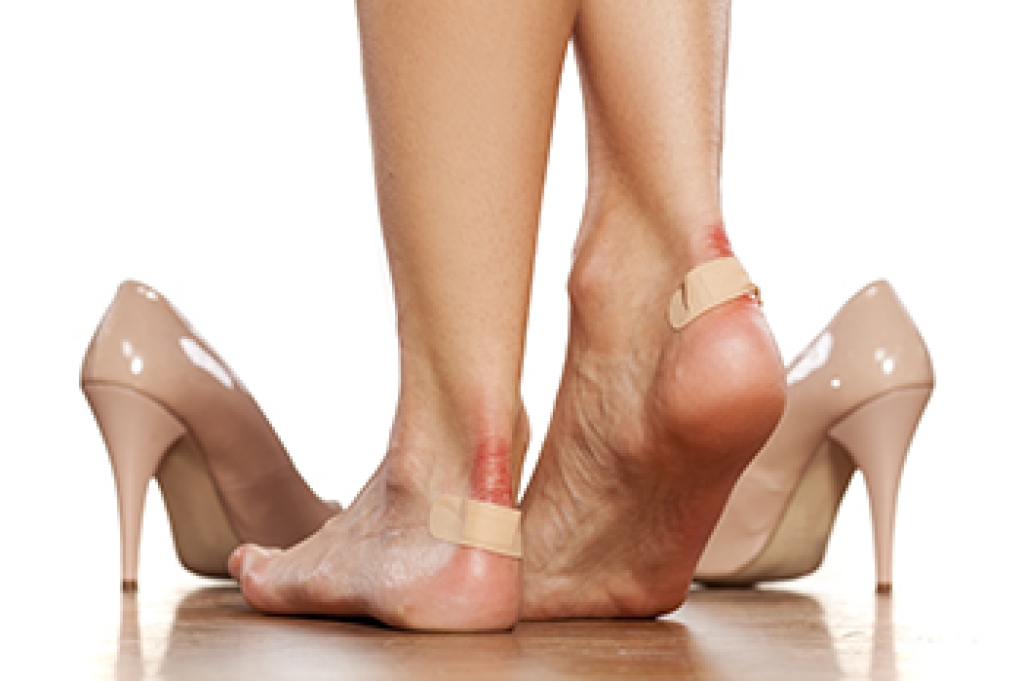
How Blisters Form on the Feet

Blisters on the feet develop when repeated friction or pressure causes the outer layer of skin to separate from the underlying layers, allowing fluid to collect in the space between. This clear fluid cushions the damaged tissue and protects it as it heals. Wearing shoes that are too tight or lack adequate support can cause blisters on the toes, heels, or sides of the feet. Excess moisture, long-distance walking, and high-friction activities can also contribute. Sometimes, blisters form due to burns, allergic reactions, or infections that affect the skin on the feet. A podiatrist can evaluate the cause, drain painful or infected blisters under sterile conditions, and recommend protective footwear or custom padding to prevent recurrence. If you have a painful or infected blister on your foot, it is suggested that you promptly schedule an appointment with a podiatrist for a diagnosis and safe treatment options.

Blisters are prone to making everyday activities extremely uncomfortable. If your feet are hurting, contact Adam Klein, DPM of Lynbrook, NY. Our practitioner can provide the care you need to keep you pain-free and on your feet.

Foot Blisters

Foot blisters develop as a result of constantly wearing tight or ill-fitting footwear. This happens due to the constant rubbing from the shoe, which can often lead to pain.

What Are Foot Blisters?

A foot blister is a small fluid-filled pocket that forms on the upper-most layer of the skin. Blisters are filled with clear fluid and can lead to blood drainage or pus if the area becomes infected.

How Do Blisters Form?

Blisters on the feet are often the result of constant friction of skin and material, usually by shoe rubbing. Walking in sandals, boots, or shoes that don’t fit properly for long periods of time can result in a blister. Having consistent foot moisture and humidity can easily lead to blister formation.

Prevention & Treatment

It is important to properly care for the affected area in order to prevent infection and ease the pain. Do not lance the blister and use a Band-Aid to provide pain relief. Also, be sure to keep your feet dry and wear proper fitting shoes. If you see blood or pus in a blister, seek assistance from a podiatrist.

If you have any questions, please feel free to contact our office located in Contact Us . We offer the newest diagnostic and treatment technologies for all your foot care needs.

Read more about Blisters on the Feet

Plantar Fasciitis and Heel Pain

Plantar fasciitis is the leading cause of heel pain. It occurs when the strong band of tissue along the bottom of the foot, called the plantar fascia, becomes irritated at its attachment to the heel bone. This fascia helps support the arch and absorbs stress during walking, running, or standing. When excessive tension develops, microtears form in the fascia. The primary symptom of plantar fasciitis is sharp or throbbing pain that is often worse with the first steps after rest. Although sometimes referred to as heel spur syndrome, the pain is not caused by a bone spur, but by inflammation of the plantar fascia itself. Risk factors include obesity, prolonged standing, repetitive stress from sports, and biomechanical issues like overpronation. A podiatrist can examine the foot, evaluate gait, and suggest a variety of management solutions. Included are custom orthotics, immobilization, injections, and specific exercises. When conservative methods fail, surgery may be an option. If you have heel pain, it is suggested that you schedule an appointment with a podiatrist who can accurately diagnose and treat plantar fasciitis.

Plantar fasciitis can be very painful and inconvenient. If you are experiencing heel pain or symptoms of plantar fasciitis, contact Adam Klein, DPM  from Lynbrook, NY. Our practitioner can provide the care you need to keep you pain-free and on your feet.

What Is Plantar Fasciitis?

Plantar fasciitis is the inflammation of the thick band of tissue that runs along the bottom of your foot, known as the plantar fascia, and causes mild to severe heel pain.

What Causes Plantar Fasciitis?

  • Excessive running
  • Non-supportive shoes
  • Overpronation
  • Repeated stretching and tearing of the plantar fascia

How Can It Be Treated?

  • Conservative measures – anti-inflammatories, ice packs, stretching exercises, physical therapy, orthotic devices
  • Shockwave therapy – sound waves are sent to the affected area to facilitate healing and are usually used for chronic cases of plantar fasciitis
  • Surgery – usually only used as a last resort when all else fails. The plantar fascia can be surgically detached from the heel

While very treatable, plantar fasciitis is definitely not something that should be ignored. Especially in severe cases, speaking to your doctor right away is highly recommended to avoid complications and severe heel pain. Your podiatrist can work with you to provide the appropriate treatment options tailored to your condition.

If you have any questions, please feel free to contact our office located in Contact Us . We offer the newest diagnostic and treatment technologies for all your foot care needs.

Read more about Plantar Fasciitis

Symptoms of Neuropathy Begin in the Feet

Neuropathy is a condition that quietly affects the nerves, often starting in the feet. Many people describe it as tingling, burning, or a sensation of walking on pebbles. It can make simple movements feel uncertain and lead to balance issues, over time. The causes vary, including diabetes, circulatory problems, and certain medications, but the impact is always personal. When nerve signals misfire, daily comfort and safety can be compromised. Early diagnosis is important because timely treatment can slow progression and ease discomfort. A podiatrist can perform specialized testing to evaluate nerve function and develop a personalized plan to protect your feet and improve circulation. Healthy nerves are essential for confident steps and overall well-being. If you notice numbness, burning, or unexplained pain in your feet, it is suggested that you schedule an appointment with a podiatrist for an expert diagnosis and appropriate care.

Neuropathy

Neuropathy can be a potentially serious condition, especially if it is left undiagnosed. If you have any concerns that you may be experiencing nerve loss in your feet, consult with Adam Klein, DPM from Lynbrook, NY. Our practitioner will assess your condition and provide you with quality foot and ankle treatment for neuropathy.

What Is Neuropathy?

Neuropathy is a condition that leads to damage to the nerves in the body. Peripheral neuropathy, or neuropathy that affects your peripheral nervous system, usually occurs in the feet. Neuropathy can be triggered by a number of different causes. Such causes include diabetes, infections, cancers, disorders, and toxic substances.

Symptoms of Neuropathy Include:

  • Numbness
  • Sensation loss
  • Prickling and tingling sensations
  • Throbbing, freezing, burning pains
  • Muscle weakness

Those with diabetes are at serious risk due to being unable to feel an ulcer on their feet. Diabetics usually also suffer from poor blood circulation. This can lead to the wound not healing, infections occurring, and the limb may have to be amputated.

Treatment

To treat neuropathy in the foot, podiatrists will first diagnose the cause of the neuropathy. Figuring out the underlying cause of the neuropathy will allow the podiatrist to prescribe the best treatment, whether it be caused by diabetes, toxic substance exposure, infection, etc. If the nerve has not died, then it’s possible that sensation may be able to return to the foot.

Pain medication may be issued for pain. Electrical nerve stimulation can be used to stimulate nerves. If the neuropathy is caused from pressure on the nerves, then surgery may be necessary.

If you have any questions, please feel free to contact our office located in Contact Us . We offer the newest diagnostic and treatment technologies for all your foot care needs.

Read more about Neuropathy
scroll to top