Treatment for Foot Puncture Wounds

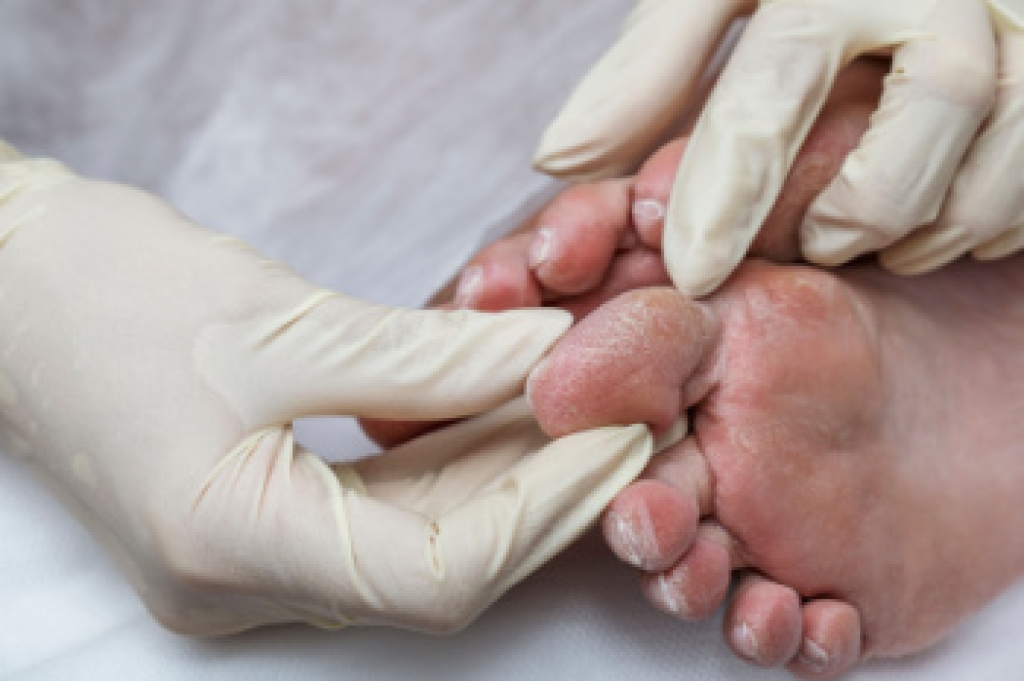
Puncture wounds to the feet are often caused by sharp objects, such as nails, glass, or thorns. Animal bites.might also cause puncture wounds. They should never be considered minor injuries. Even the smallest puncture wounds can trap bacteria deep beneath the skin. If care is delayed, this increases the risk of infection, abscess formation, joint involvement, or bone infection. Symptoms may initially appear mild, but pain, swelling, redness, or drainage can develop days or even weeks later. A podiatrist evaluates the depth, location, and cause of the injury, checks for retained foreign material, and assesses surrounding nerves, tendons, joints, and bone. Diagnostic imaging and laboratory testing may be used to detect hidden damage or early infection. Prompt medical management can significantly reduce the risk of serious complications for people with diabetes, who may lack sensation in the feet. For help with foot pain caused by a puncture, it is suggested that you make an appointment with a podiatrist for an exam, diagnosis, and treatment.

Wound care is an important part in dealing with diabetes. If you have diabetes and a foot wound or would like more information about wound care for diabetics, consult with Adam Klein, DPM from Lynbrook, NY. Our practitioner will assess your condition and provide you with quality foot and ankle treatment.

What Is Wound Care?

Wound care is the practice of taking proper care of a wound. This can range from the smallest to the largest of wounds. While everyone can benefit from proper wound care, it is much more important for diabetics. Diabetics often suffer from poor blood circulation which causes wounds to heal much slower than they would in a non-diabetic. 

What Is the Importance of Wound Care?

While it may not seem apparent with small ulcers on the foot, for diabetics, any size ulcer can become infected. Diabetics often also suffer from neuropathy, or nerve loss. This means they might not even feel when they have an ulcer on their foot. If the wound becomes severely infected, amputation may be necessary. Therefore, it is of the upmost importance to properly care for any and all foot wounds.

How to Care for Wounds

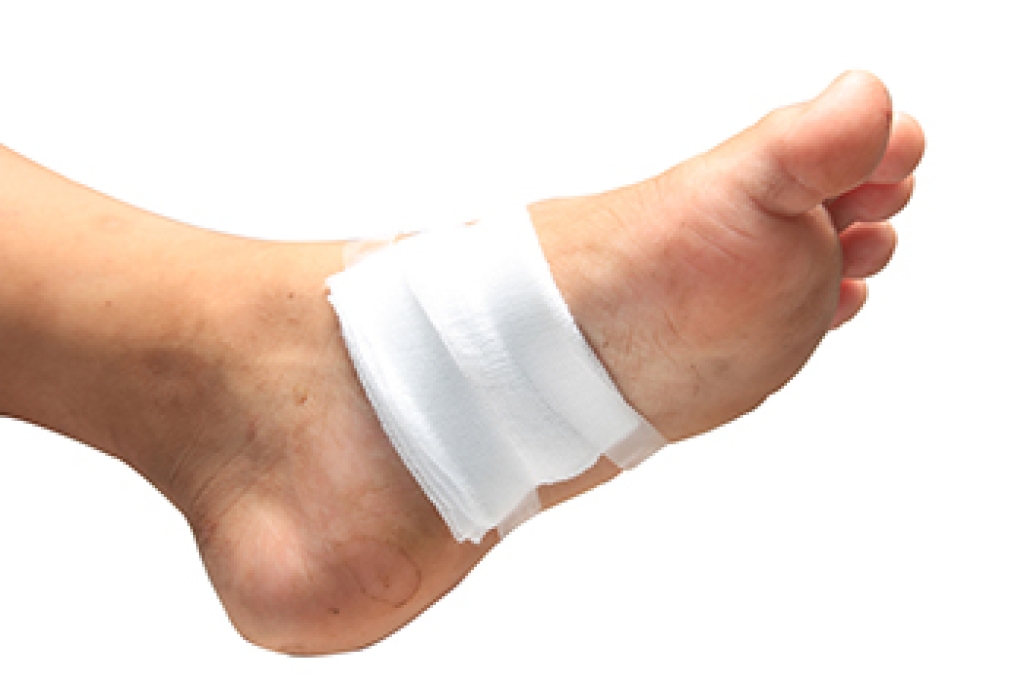
The best way to care for foot wounds is to prevent them. For diabetics, this means daily inspections of the feet for any signs of abnormalities or ulcers. It is also recommended to see a podiatrist several times a year for a foot inspection. If you do have an ulcer, run the wound under water to clear dirt from the wound; then apply antibiotic ointment to the wound and cover with a bandage. Bandages should be changed daily and keeping pressure off the wound is smart. It is advised to see a podiatrist, who can keep an eye on it.

If you have any questions please contact our office located in Contact Us . We offer the newest diagnostic and treatment technologies for all your foot and ankle needs.

Read more about Wound Care

Dealing With Diabetic Foot Blisters

People with diabetes face a higher risk of foot blisters because nerve changes can reduce sensation, and skin may become fragile. Friction and pressure from footwear can continue without pain as a warning sign, allowing a blister to worsen quickly. Blisters often form on the toes, heels, or the ball of the foot, and can break down into open wounds that are slow to heal. When skin is compromised, the risk of infection and ulcer formation increases. A podiatrist can assess circulation, skin quality, and pressure points to determine whether infection or deeper tissue damage is present. Care options include safe and sterile blister management, protection of surrounding skin, and strategies to reduce repeated pressure. Regular monitoring helps protect diabetic feet and lowers the risk of serious complications. If you suffer from diabetic foot blisters, it is suggested that you make an appointment with a podiatrist for ongoing treatment.

Blisters may appear as a single bubble or in a cluster. They can cause a lot of pain and may be filled with pus, blood, or watery serum. If your feet are hurting, contact Adam Klein, DPM of Lynbrook, NY. Our practitioner can provide the care you need to keep you pain-free and on your feet.

Foot Blisters

Foot blisters are often the result of friction. This happens due to the constant rubbing from shoes, which can lead to pain.

What Are Foot Blisters?

A foot blister is a small fluid-filled pocket that forms on the upper-most layer of the skin. Blisters are filled with clear fluid and can lead to blood drainage or pus if the area becomes infected.

Symptoms

(Blister symptoms may vary depending on what is causing them)

  • Bubble of skin filled with fluid
  • Redness
  • Moderate to severe pain
  • Itching

Prevention & Treatment

In order to prevent blisters, you should be sure to wear comfortable shoes with socks that cushion your feet and absorb sweat. Breaking a blister open may increase your chances of developing an infection. However, if your blister breaks, you should wash the area with soap and water immediately and then apply a bandage to the affected area. If your blisters cause severe pain it is important that you call your podiatrist right away.

If you have any questions, please feel free to contact our office located in Contact Us . We offer the newest diagnostic and treatment technologies for all your foot care needs.
Read more about Blisters
scroll to top