Preventing Falls Through Balance and Foot Health

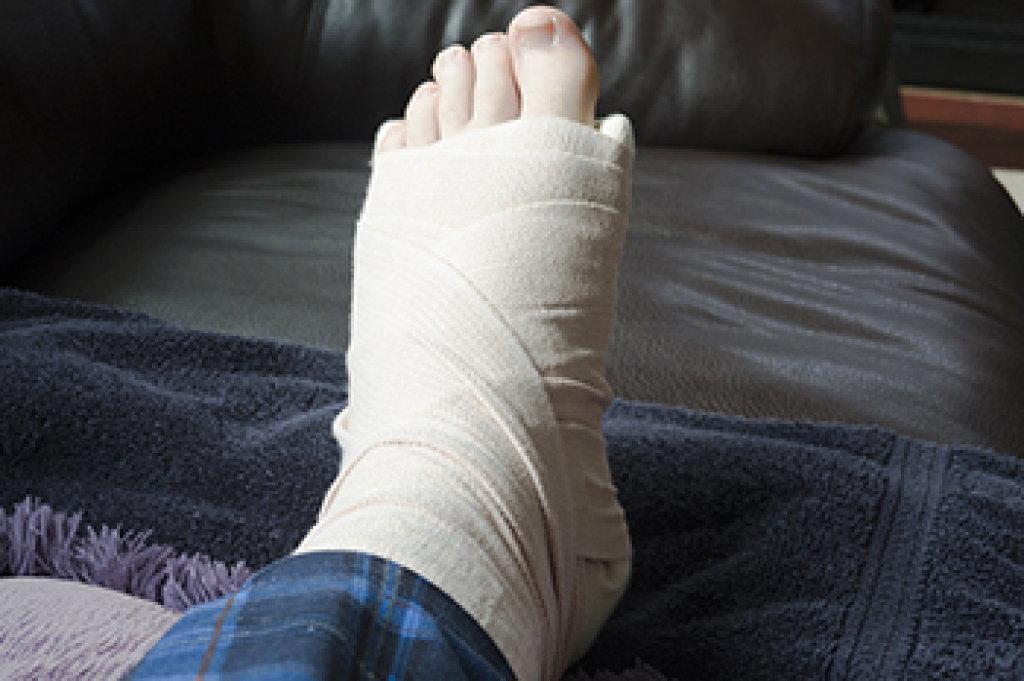
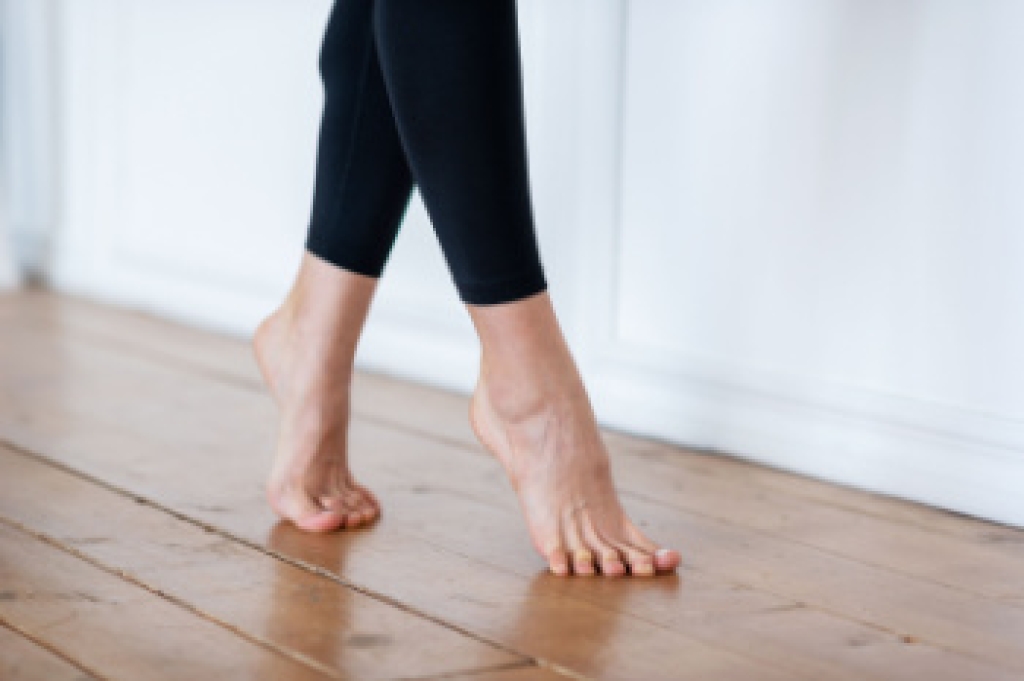
Preventing falls is an important part of maintaining independence and overall health, especially as balance and strength change with age. Improving balance through activities such as tai chi can strengthen muscles, increase flexibility, and enhance body awareness. Regular physical activity also supports improved fitness, coordination, and stability, which may reduce the risk of falls. Proper foot care and wearing supportive footwear also play an important role in maintaining safe movement and balance. Foot pain, structural changes, or instability can increase the likelihood of losing balance while walking. A podiatrist can evaluate foot structure, recommend supportive footwear, and provide treatments that improve stability and comfort. If you have sustained a foot or ankle injury from falling, it is suggested that you consult a podiatrist who can offer effective treatment and prevention tips.

Preventing falls among the elderly is very important. If you are older and have fallen or fear that you are prone to falling, consult with Adam Klein, DPM from Lynbrook, NY. Our practitioner will assess your condition and provide you with quality advice and care.

Every 11 seconds, an elderly American is being treated in an emergency room for a fall related injury. Falls are the leading cause of head and hip injuries for those 65 and older. Due to decreases in strength, balance, senses, and lack of awareness, elderly persons are very susceptible to falling. Thankfully, there are a number of things older persons can do to prevent falls.

How to Prevent Falls

Some effective methods that older persons can do to prevent falls include:

  • Enrolling in strength and balance exercise program to increase balance and strength
  • Periodically having your sight and hearing checked
  • Discuss any medications you have with a doctor to see if it increases the risk of falling
  • Clearing the house of falling hazards and installing devices like grab bars and railings
  • Utilizing a walker or cane
  • Wearing shoes that provide good support and cushioning
  • Talking to family members about falling and increasing awareness

Falling can be a traumatic and embarrassing experience for elderly persons; this can make them less willing to leave the house, and less willing to talk to someone about their fears of falling. Doing such things, however, will increase the likelihood of tripping or losing one’s balance. Knowing the causes of falling and how to prevent them is the best way to mitigate the risk of serious injury.  

If you have any questions, please feel free to contact our office located in Contact Us . We offer the newest diagnostic and treatment technologies for all your foot care needs.

Read more about Falls Prevention

Managing an Achilles Tendon Rupture

An Achilles tendon rupture is a serious injury that affects walking, balance, and push-off strength. Management depends on the patient’s health, activity level, and how well the tendon ends line up. Conservative care may be recommended for some individuals, and usually involves immobilization in a boot or cast, followed by gradual motion and strengthening. This approach avoids surgery but requires careful protection and guided rehabilitation. Surgical repair may be advised for others, especially when the tendon has pulled far apart or when higher strength and function are desired. Surgery reconnects the tendon to restore tension and support healing, followed by structured rehabilitation. Both approaches aim to regain strength, flexibility, and a safe return to activity. Early diagnosis and proper treatment planning are key to good outcomes. If sudden heel pain, weakness, or difficulty pushing off occurs, it is suggested that you see a podiatrist for evaluation and guidance.

Achilles tendon injuries need immediate attention to avoid future complications. If you have any concerns, contact Adam Klein, DPM of Lynbrook, NY. Our practitioner can provide the care you need to keep you pain-free and on your feet.

What Is the Achilles Tendon?

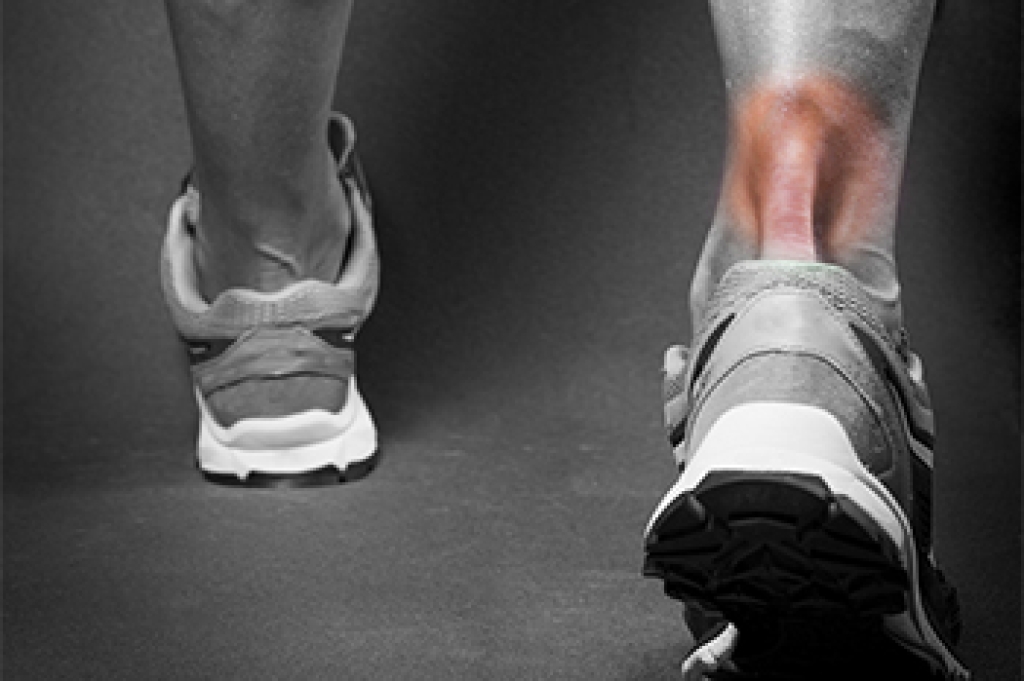
The Achilles tendon is a tendon that connects the lower leg muscles and calf to the heel of the foot. It is the strongest tendon in the human body and is essential for making movement possible. Because this tendon is such an integral part of the body, any injuries to it can create immense difficulties and should immediately be presented to a doctor.

What Are the Symptoms of an Achilles Tendon Injury?

There are various types of injuries that can affect the Achilles tendon. The two most common injuries are Achilles tendinitis and ruptures of the tendon.

Achilles Tendinitis Symptoms

  • Inflammation
  • Dull to severe pain
  • Increased blood flow to the tendon
  • Thickening of the tendon

Rupture Symptoms

  • Extreme pain and swelling in the foot
  • Total immobility

Treatment and Prevention

Achilles tendon injuries are diagnosed by a thorough physical evaluation, which can include an MRI. Treatment involves rest, physical therapy, and in some cases, surgery. However, various preventative measures can be taken to avoid these injuries, such as:

  • Thorough stretching of the tendon before and after exercise
  • Strengthening exercises like calf raises, squats, leg curls, leg extensions, leg raises, lunges, and leg presses

If you have any questions please feel free to contact our office located in Contact Us . We offer the newest diagnostic tools and technology to treat your foot and ankle needs.

Read more about What are Achilles Tendon Injuries

Struggling with wounds that just won’t heal?

Favor Foot Ankle Leg & Wound Care is proud to be New Jersey’s leader in advanced wound care. Our experienced team is dedicated to providing innovative and effective treatments for non-healing wounds - so you can start healing today!

See if advanced wound care is right for you - Request an appointment today!

When Bunions Return After Treatment

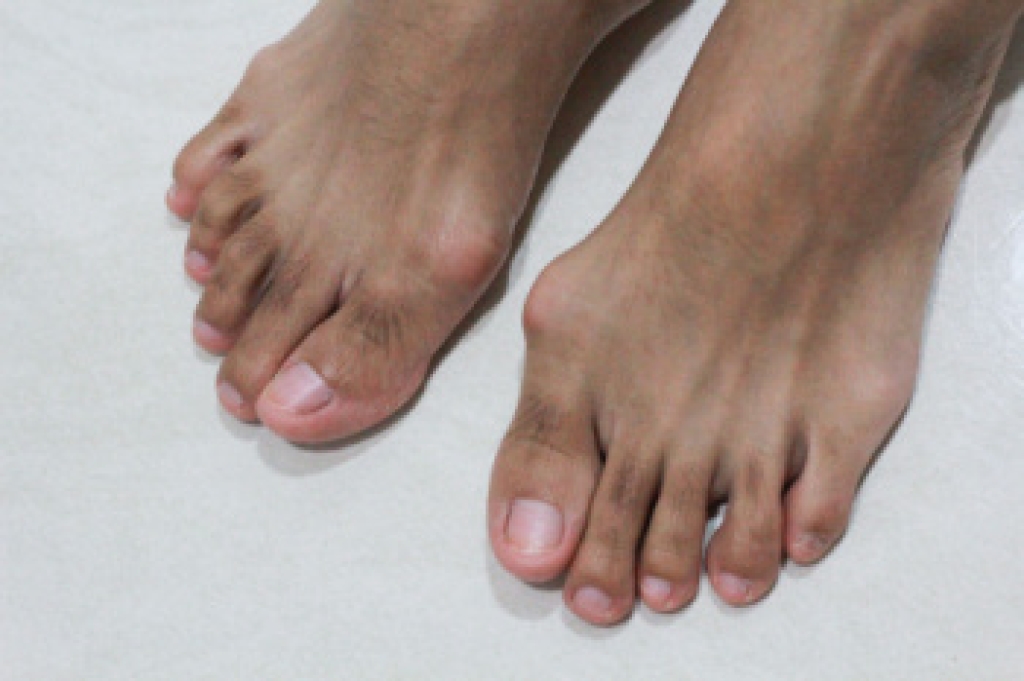
Bunions are a progressive deformity of the joint at the base of the big toe, where the bone shifts outward and the toe angles inward. They often appear as a noticeable bump that may look swollen or red and feel tender, especially in tight shoes. Pain can range from a dull ache to sharp discomfort with walking. Even after treatment, bunions may come back for several reasons. Genetics, continued use of narrow footwear, abnormal foot mechanics, arthritis, and incomplete correction of the deformity can contribute to recurrence. Over time, the joint may again become enlarged and irritated. A podiatrist begins with a thorough evaluation, including examination and imaging, to understand the structure of the foot and the severity of the deformity. Treatment may include custom orthotics, footwear modification, or targeted exercises to support alignment. Anti-inflammatory care or surgical revision may be recommended when necessary. If you have recurring bunion pain, it is suggested that you make an appointment with a podiatrist.

If you are suffering from bunions, contact Adam Klein, DPM of Lynbrook, NY. Our practitioner can provide the care you need to keep you pain-free and on your feet.

What Is a Bunion?

A bunion is formed of swollen tissue or an enlargement of boney growth, usually located at the base joint of the toe that connects to the foot. The swelling occurs due to the bones in the big toe shifting inward, which impacts the other toes of the foot. This causes the area around the base of the big toe to become inflamed and painful.

Why Do Bunions Form?

Genetics – Susceptibility to bunions are often hereditary

Stress on the feet – Poorly fitted and uncomfortable footwear that places stress on feet, such as heels, can worsen existing bunions

How Are Bunions Diagnosed?

Podiatrists often perform two tests – blood tests and x-rays – when trying to diagnose bunions, especially in the early stages of development. Blood tests help determine if the foot pain is being caused by something else, such as arthritis, while x-rays provide a clear picture of your bone structure to your provider.

How Are Bunions Treated?

  • Refrain from wearing heels or similar shoes that cause discomfort
  • Select wider shoes that can provide more comfort and reduce pain
  • Anti-inflammatory and pain management drugs
  • Orthotics or foot inserts
  • Surgery

If you have any questions, please feel free to contact our office located in Contact Us . We offer the newest diagnostic and treatment technologies for all your foot care needs.

Read more about Bunions
scroll to top