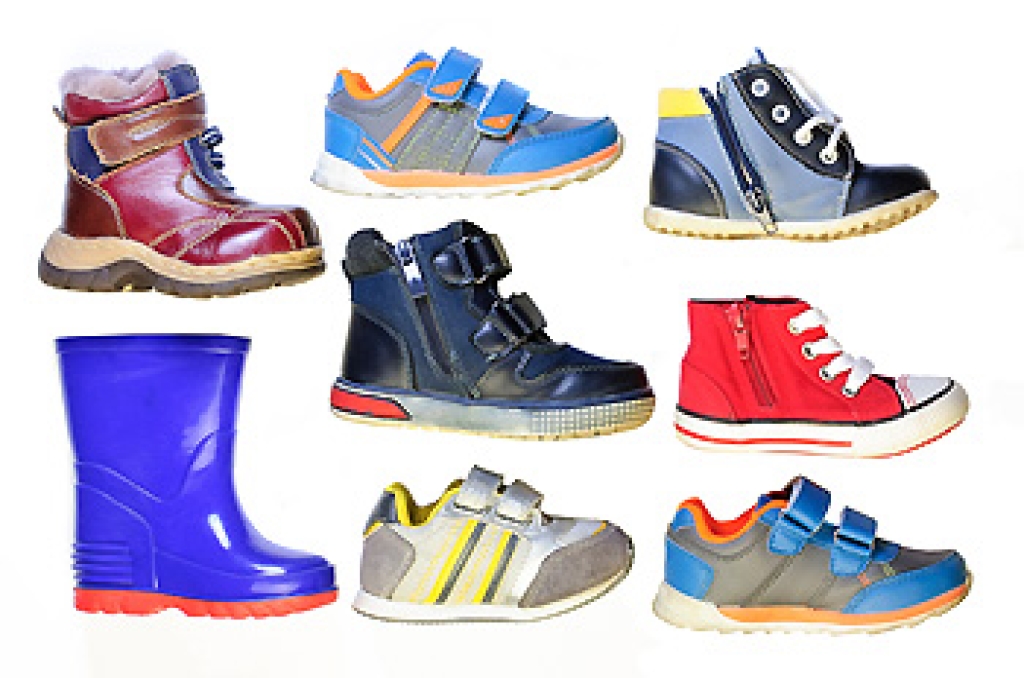
Choosing the Right Shoes for 1st Walkers

Selecting proper shoes for children between 12 and 24 months is important as they begin walking and developing balance. First walker shoes should provide protection while allowing natural foot movement. Qualities to look for include a sturdy leather upper that offers support, and easy closures such as velcro for a secure fit. Additional things to look for are a flexible outsole that bends with the foot, and a roomy toe box that allows toes to spread comfortably. Shoes that are too tight or stiff can interfere with proper development and cause discomfort. A podiatrist can assess foot growth, ensure proper fit, and recommend appropriate footwear for healthy development. Early guidance helps support strong and stable walking patterns. If you have concerns about what type of shoes your child should wear, it is suggested that you consult a podiatrist who can guide you in the right direction.

Making sure that your children maintain good foot health is very important as they grow. If you have any questions, contact Adam Klein, DPM of Lynbrook, NY. Our practitioner can provide the care you need to keep you pain-free and on your feet.

Keeping Children's Feet Healthy

Having healthy feet during childhood can help prevent medical problems later in life, namely in the back and legs. As children grow, their feet require different types of care. Here are some things to consider...

Although babies do not walk yet, it is still very important to take care of their feet.

Avoid putting tight shoes or socks on his or her feet.

Allow the baby to stretch and kick his or her feet to feel comfortable.

As a toddler, kids are now on the move and begin to develop differently. At this age, toddlers are getting a feel for walking, so don’t be alarmed if your toddler is unsteady or ‘walks funny’. 

As your child gets older, it is important to teach them how to take care of their feet.

Show them proper hygiene to prevent infections such as fungus.

Be watchful for any pain or injury.

Have all injuries checked by a doctor as soon as possible.

Comfortable, protective shoes should always be worn, especially at play.

If you have any questions, please feel free to contact our office located in Contact Us . We offer the newest diagnostic and treatment technologies for all your foot care needs.
Read more about What to Do to Keep Your Child’s Feet Healthy

Hammertoe and How It Affects the Toes

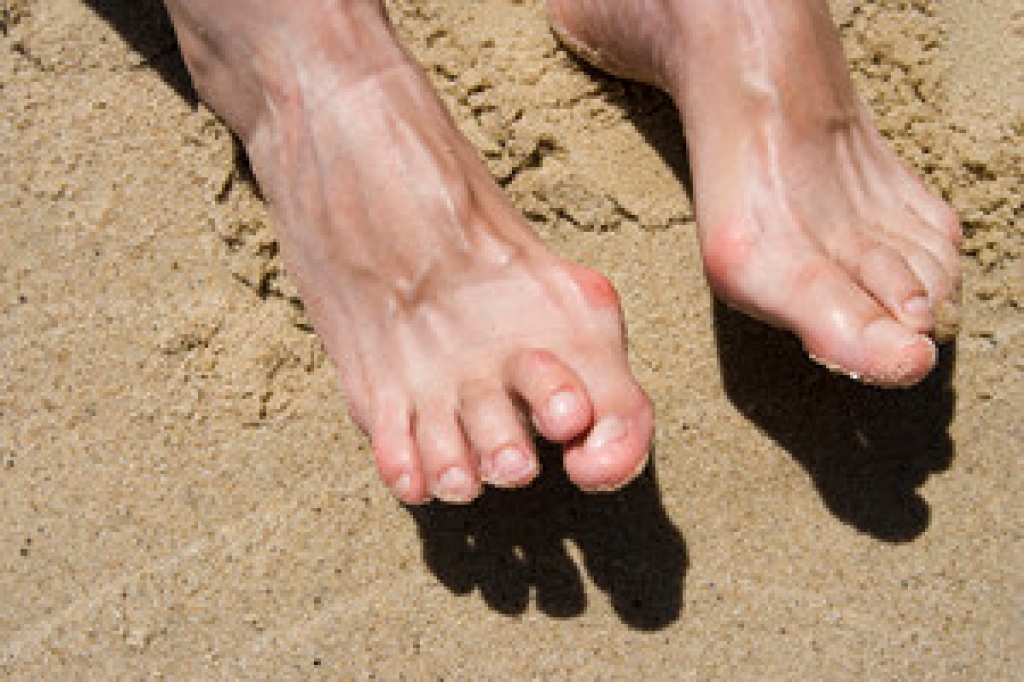
A hammertoe is a deformity in which one of the smaller toes bends abnormally at the middle joint, creating a curled or hammer-like appearance. It often develops gradually and can become more rigid over time, if left untreated. Common causes include muscle imbalance, improper footwear that crowds the toes, and underlying foot structure issues. Symptoms include pain, corns, calluses, redness, and difficulty wearing shoes comfortably. The affected toe may appear raised at the joint and pressed downward at the tip. A podiatrist can help by evaluating the deformity, recommending proper footwear, providing supportive treatments, and addressing underlying causes. If you have signs of hammertoe, it is suggested that you consult a podiatrist who can offer effective relief solutions, while helping you to manage this condition.

Hammertoe

Hammertoes can be a painful condition to live with. For more information, contact Adam Klein, DPM from Lynbrook, NY. Our practitioner will answer any of your foot- and ankle-related questions.

Hammertoe is a foot deformity that affects the joints of the second, third, fourth, or fifth toes of your feet. It is a painful foot condition in which these toes curl and arch up, which can often lead to pain when wearing footwear.

Symptoms

  • Pain in the affected toes
  • Development of corns or calluses due to friction
  • Inflammation
  • Redness
  • Contracture of the toes

Causes

Genetics – People who are genetically predisposed to hammertoe are often more susceptible

Arthritis – Because arthritis affects the joints in your toes, further deformities stemming from arthritis can occur

Trauma – Direct trauma to the toes could potentially lead to hammertoe

Ill-fitting shoes – Undue pressure on the front of the toes from ill-fitting shoes can potentially lead to the development of hammertoe

Treatment

Orthotics – Custom made inserts can be used to help relieve pressure placed on the toes and therefore relieve some of the pain associated with it

Medications – Oral medications such as anti-inflammatories or NSAIDs could be used to treat the pain and inflammation hammertoes causes. Injections of corticosteroids are also sometimes used

Surgery – In more severe cases where the hammertoes have become more rigid, foot surgery is a potential option

If you have any questions, please feel free to contact our office located in Contact Us . We offer the newest diagnostic and treatment technologies for all your foot care needs.
Read more about What Are Hammertoes?

Using Ultrasound to Evaluate Heel Pain in Active Patients

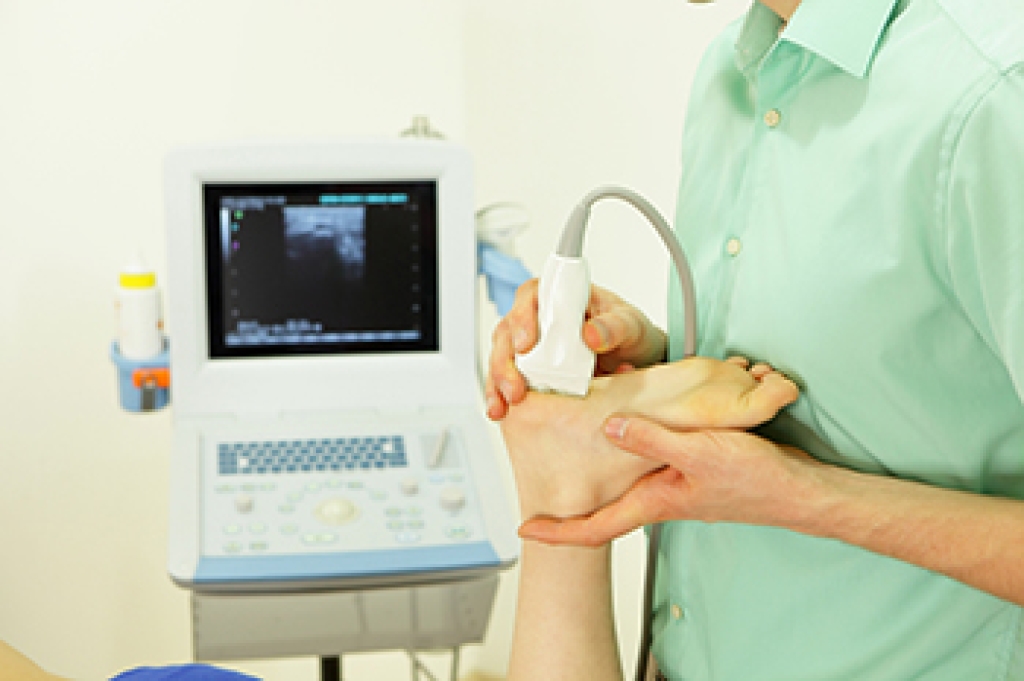
Heel pain in children and adults can come from different causes, including Sever’s disease, a growth-related condition in young athletes involving inflammation at the heel growth plate, and Achilles tendinitis, which involves irritation of the tendon at the back of the heel. Although symptoms may feel similar, the source of the problem is different, making accurate evaluation important. Ultrasound imaging offers a clear, real-time view of soft tissues, allowing providers to assess inflammation, tendon changes, and areas of stress without radiation. This helps guide more precise care by identifying whether the growth plate or the tendon is involved. Treatment may include activity modification, stretching, supportive footwear, or other targeted approaches based on the findings. Early and accurate identification can help prevent worsening symptoms and support a safe return to activity. If heel pain is limiting movement or performance, it is suggested that you see a podiatrist for a thorough evaluation, diagnosis, and treatment.

Many people suffer from bouts of heel pain. For more information, contact Adam Klein, DPM of Lynbrook, NY. Our practitioner can provide the care you need to keep you pain-free and on your feet.

Causes of Heel Pain

Heel pain is often associated with plantar fasciitis. The plantar fascia is a band of tissues that extends along the bottom of the foot. A rip or tear in this ligament can cause inflammation of the tissue.

Achilles tendonitis is another cause of heel pain. Inflammation of the Achilles tendon will cause pain from fractures and muscle tearing. Lack of flexibility is also another symptom.

Heel spurs are another cause of pain. When the tissues of the plantar fascia undergo a great deal of stress, it can lead to ligament separation from the heel bone, causing heel spurs.

Why Might Heel Pain Occur?

  • Wearing ill-fitting shoes                
  • Wearing non-supportive shoes
  • Weight change           
  • Excessive running

Treatments

Heel pain should be treated as soon as possible for immediate results. Keeping your feet in a stress-free environment will help. If you suffer from Achilles tendonitis or plantar fasciitis, applying ice will reduce the swelling. Stretching before an exercise like running will help the muscles. Using all these tips will help make heel pain a condition of the past.

If you have any questions, please feel free to contact our office located in Contact Us . We offer the newest diagnostic and treatment technologies for all your foot care needs.

Read more about Heel Pain

Ankle Fracture? Don’t Wait for Treatment

If you're suffering from an ankle fracture, professional attention shouldn't wait. Fractures may worsen over time and can make completing everyday activities incredibly difficult. See your specialist for treatment and guidance through the healing process. 

Sudden Toe Pain Can Signal Something More

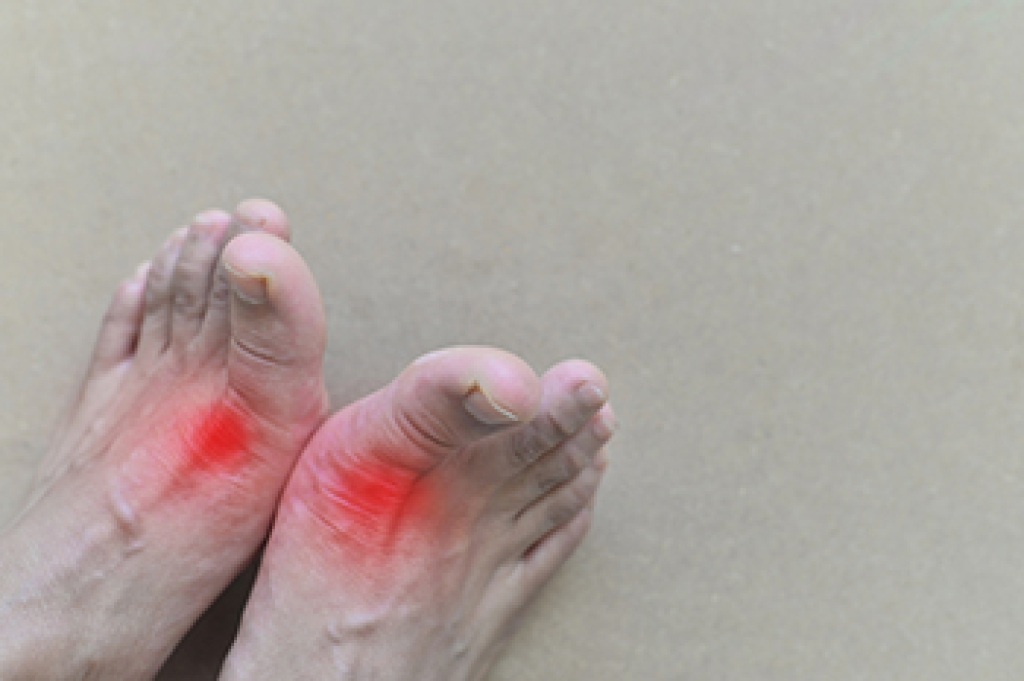
Gout is a form of arthritis that often affects the big toe, causing sudden and intense pain that may begin overnight. The joint can become red, swollen, and warm, making even light pressure from a sheet feel uncomfortable. It may look visibly inflamed and feel stiff, limiting movement during a flare. Gout develops when uric acid builds up in the bloodstream and forms crystals in the joint, which can be triggered by diet, dehydration, certain medications, or underlying health conditions. A podiatrist can recognize gout through a physical exam and may confirm it with imaging or laboratory testing. Treatment focuses on reducing inflammation, relieving pain, and preventing future attacks through medication and lifestyle guidance. Early care can help protect the joint from long-term damage. If you suspect you may have gout, it is suggested that you make an appointment with a podiatrist.

Gout is a foot condition that requires certain treatment and care. If you are seeking treatment, contact Adam Klein, DPM from Lynbrook, NY. Our practitioner will treat your foot and ankle needs.

What Is Gout?

Gout is a type of arthritis caused by a buildup of uric acid in the bloodstream. It often develops in the foot, especially the big toe area, although it can manifest in other parts of the body as well. Gout can make walking and standing very painful and is especially common in diabetics and the obese.

People typically get gout because of a poor diet. Genetic predisposition is also a factor. The children of parents who have had gout frequently have a chance of developing it themselves.

Gout can easily be identified by redness and inflammation of the big toe and the surrounding areas of the foot. Other symptoms include extreme fatigue, joint pain, and running high fevers. Sometimes corticosteroid drugs can be prescribed to treat gout, but the best way to combat this disease is to get more exercise and eat a better diet.

If you have any questions, please feel free to contact our office located in Contact Us . We offer the newest diagnostic and treatment technologies for all your foot care needs.

Read more about Everything You Need to Know About Gout
scroll to top