Living With Chronic Gout Pain

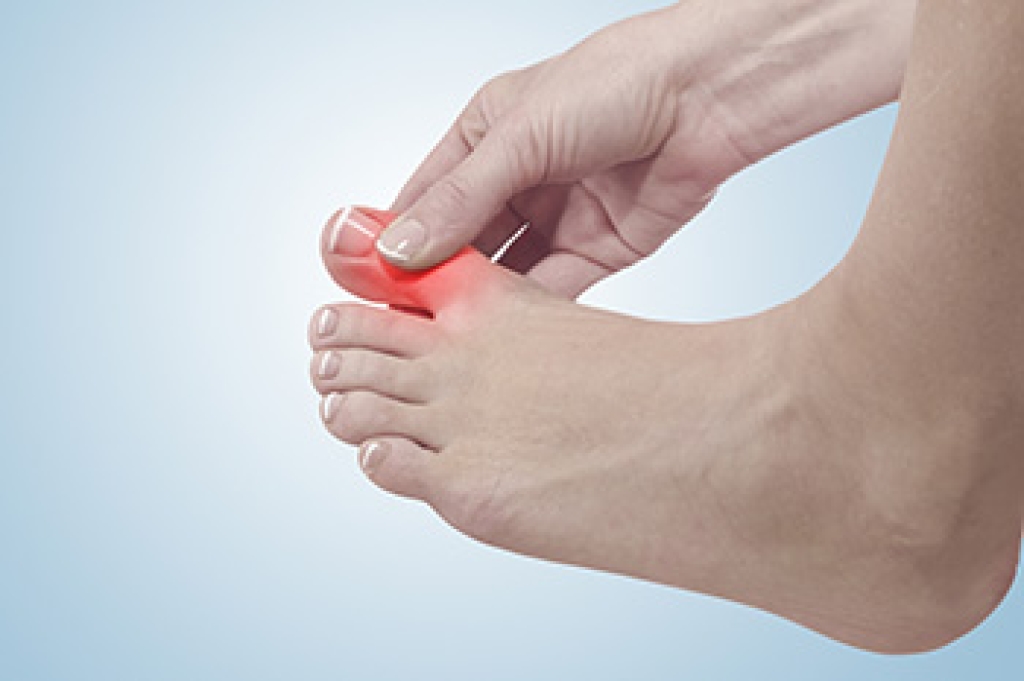
Chronic gout is a form of inflammatory arthritis caused by repeated buildup of uric acid crystals within the joints. It often affects the big toe, midfoot, or ankle. Unlike occasional attacks, chronic gout may lead to ongoing pain, stiffness, and swelling. Joint damage may occur over time. The affected joints can appear red, enlarged, and tender. Some patients develop hard deposits called tophi beneath the skin. Walking may become difficult during flare-ups, especially when pressure is placed on the inflamed area. Chronic gout can develop when uric acid levels remain elevated for long periods. This may be due to diet, kidney problems, certain medications, or genetic factors. A podiatrist can help identify gout-related foot problems, evaluate joint damage, and work with other healthcare providers to guide treatment. Care may include medication management, supportive footwear, and recommendations to reduce stress on painful joints. If you have chronic gout, it is suggested that you schedule an appointment with a podiatrist who can offer effective relief and prevention solutions for this painful condition.

Gout is a painful condition that can be treated. If you are seeking treatment, contact Adam Klein, DPM from Lynbrook, NY. Our practitioner will treat your foot and ankle needs.

What Is Gout?

Gout is a form of arthritis that is characterized by sudden, severe attacks of pain, redness, and tenderness in the joints. The condition usually affects the joint at the base of the big toe. A gout attack can occur at any random time, such as the middle of the night while you are asleep.

Symptoms

  • Intense Joint Pain - Usually around the large joint of your big toe, and it most severe within the first four to twelve hours
  • Lingering Discomfort - Joint discomfort may last from a few days to a few weeks
  • Inflammation and Redness -Affected joints may become swollen, tender, warm and red
  • Limited Range of Motion - May experience a decrease in joint mobility

Risk Factors

  • Genetics - If family members have gout, you’re more likely to have it
  • Medications - Diuretic medications can raise uric acid levels
  • Gender/Age - Gout is more common in men until the age of 60. It is believed that estrogen protects women until that point
  • Diet - Eating red meat and shellfish increases your risk
  • Alcohol - Having more than two alcoholic drinks per day increases your risk
  • Obesity - Obese people are at a higher risk for gout

Prior to visiting your podiatrist to receive treatment for gout, there are a few things you should do beforehand. If you have gout you should write down your symptoms--including when they started and how often you experience them, important medical information you may have, and any questions you may have. Writing down these three things will help your podiatrist in assessing your specific situation so that he or she may provide the best route of treatment for you.

If you have any questions, please feel free to contact our office located in Contact Us . We offer the newest diagnostic and treatment technologies for all your foot care needs.
Read more about Gout

Risk Factors for Plantar Fibroma

A plantar fibroma is a benign growth that develops within the plantar fascia, the thick band of tissue along the bottom of the foot. It often appears as a firm lump in the arch, and may gradually increase in size. Symptoms include discomfort, pressure when walking, and pain while wearing shoes. The exact cause is not always clear, but factors like trauma, genetic predisposition, and certain medical conditions may contribute. There is also a noted association with fibrous conditions elsewhere in the body, including uterine fibroids, which may be considered a risk factor. A podiatrist can diagnose a plantar fibroma and provide treatment options to relieve pain and improve mobility. A plantar fibroma may be uncomfortable, and may cause difficulty in completing daily activities. If you have developed this condition, it is suggested that you consult a podiatrist who can offer effective relief and treatment solutions.

A plantar fibroma may disrupt your daily activities. If you have any concerns, contact Adam Klein, DPM of Lynbrook, NY. Our practitioner can provide the care you need to keep you pain-free and on your feet.

Plantar Fibroma

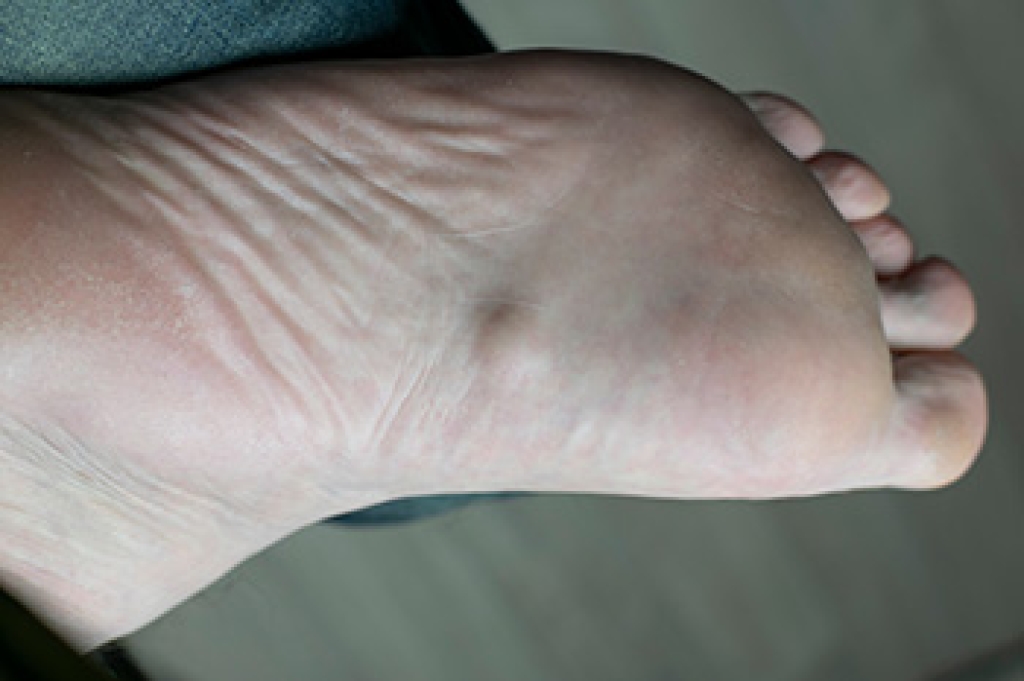
A plantar fibroma is a fibrous knot in the arch of the foot. It is embedded in the plantar fascia which is a band of tissue that extends from the heel to the toes along the bottom of the foot. There can be multiple plantar fibromas in the feet at the same time. There are no known causes for this condition. If you have a plantar fibroma, there will be a bump in the arch of your foot that cannot be missed. Any associated pain is most often due to a shoe rubbing against the nodule. Non-surgical options, such as steroid injections, physical therapy, and orthotics should be tried first. Surgery is a last resort and is the only thing that will remove a plantar fibroma entirely. Consult with a podiatrist for a proper diagnosis and to determine the treatment regimen that is right for you.

What Causes a Plantar Fibroma?

While there are no specific causes identified, a plantar fibroma can possibly come from genetic predisposition or the formation of scar tissue that forms from healing the tears in the plantar fascia.

What Are the Symptoms of a Plantar Fibroma?

There will be a noticeable lump in the arch of the foot that may or may not cause pain. If pain is felt, it is typically because a shoe is rubbing up against the lump or when walking or standing barefoot.

Treatment and Prevention

A plantar fibroma will not disappear without treatment, but it can get smaller and be a non-issue. If pain persists, a podiatrist examines the foot and when the arch of the foot is pressed, pain can be felt down to the toes. An MRI or biopsy might be performed to help diagnose or evaluate the plantar fibroma. The following non-surgical options are generally enough to reduce the size and pain of these nodules:

  • Steroid injections
  • Orthotics
  • Physical therapy to help apply anti-inflammatory creams on the bump 

Surgery is considered if the mass increases in size and the patient continues to feel pain after non-surgical methods are tried.

If you have any questions, please feel free to contact our office located in Contact Us . We offer the newest diagnostic and treatment technologies for all your foot care needs.
Read more about Plantar Fibroma

Swimming With Athlete's Foot

Athlete's foot is a common fungal infection that affects the skin on the feet, often appearing as red, itchy, peeling, or cracked areas between the toes. It is caused by fungi that thrive in warm, moist environments like locker rooms and around swimming pools. When you swim with athlete's foot, the condition can spread more easily to others and may worsen due to prolonged moisture. You might notice increased burning, itching, or scaling after time in the water. A podiatrist can confirm the diagnosis, rule out similar conditions, and prescribe targeted antifungal treatments such as topical creams or oral medications. They can also monitor healing and help prevent complications like secondary bacterial infections. Ignoring symptoms can lead to the spread across nails or other body areas over time. If you have persistent symptoms of athlete’s foot, it is suggested that you visit a podiatrist for appropriate treatment solutions.

Athlete’s Foot

Athlete’s foot is often an uncomfortable condition to experience. Thankfully, podiatrists specialize in treating athlete’s foot and offer the best treatment options. If you have any questions about athlete’s foot, consult with Adam Klein, DPM from Lynbrook, NY. Our practitioner will assess your condition and provide you with quality treatment.

What Is Athlete’s Foot?

Tinea pedis, more commonly known as athlete’s foot, is a non-serious and common fungal infection of the foot. Athlete’s foot is contagious and can be contracted by touching someone who has it or infected surfaces. The most common places contaminated by it are public showers, locker rooms, and swimming pools. Once contracted, it grows on feet that are left inside moist, dark, and warm shoes and socks.

Prevention

The most effective ways to prevent athlete’s foot include:

  • Thoroughly washing and drying feet
  • Avoid going barefoot in locker rooms and public showers
  • Using shower shoes in public showers
  • Wearing socks that allow the feet to breathe
  • Changing socks and shoes frequently if you sweat a lot

Symptoms

Athlete’s foot initially occurs as a rash between the toes. However, if left undiagnosed, it can spread to the sides and bottom of the feet, toenails, and if touched by hand, the hands themselves. Symptoms include:

  • Redness
  • Burning
  • Itching
  • Scaly and peeling skin

Diagnosis and Treatment

Diagnosis is quick and easy. Skin samples will be taken and either viewed under a microscope or sent to a lab for testing. Sometimes, a podiatrist can diagnose it based on simply looking at it. Once confirmed, treatment options include oral and topical antifungal medications.

If you have any questions, please feel free to contact our office located in Contact Us . We offer the newest diagnostic and treatment technologies for all your foot care needs.

Read more about Athlete’s Foot

Morton’s Neuroma and Metatarsalgia

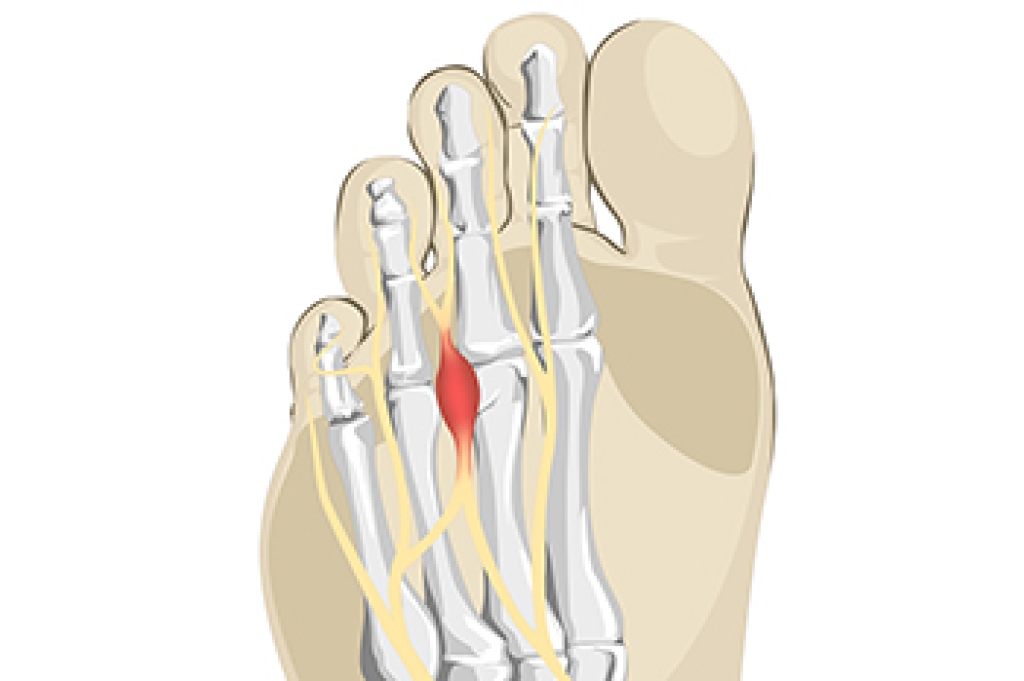
Morton’s neuroma is a condition involving inflammation and thickening of tissue surrounding a nerve between the toes, most commonly between the third and fourth toes. Metatarsalgia is an overall term for pain in the ball of the foot and Morton’s neuroma may cause this type of pain. This pressure on the nerve can lead to sharp pain, burning sensations, or the feeling of standing on a pebble. Causes include repeated irritation from wearing high heels or pointed shoes that compress the forefoot. Risk factors include being female, increasing age, and foot abnormalities such as flat feet or high arches. Symptoms may worsen with walking or wearing tight footwear, and improve with rest. A podiatrist can diagnose the condition, recommend footwear changes, provide padding or orthotics, and offer treatment to reduce nerve irritation. If you have pain in this part of your foot, it is suggested that you consult a podiatrist who can accurately diagnose and treat what may be going on.

Morton’s neuroma is a very uncomfortable condition to live with. If you think you have Morton’s neuroma, contact Adam Klein, DPM of Lynbrook, NY. Our practitioner will attend to all of your foot care needs and answer any of your related questions.  

Morton’s Neuroma

Morton's neuroma is a painful foot condition that commonly affects the areas between the second and third or third and fourth toe, although other areas of the foot are also susceptible. Morton’s neuroma is caused by an inflamed nerve in the foot that is being squeezed and aggravated by surrounding bones.

What Increases the Chances of Having Morton’s Neuroma?

  • Ill-fitting high heels or shoes that add pressure to the toe or foot
  • Jogging, running or any sport that involves constant impact to the foot
  • Flat feet, bunions, and any other foot deformities

Morton’s neuroma is a very treatable condition. Orthotics and shoe inserts can often be used to alleviate the pain on the forefront of the feet. In more severe cases, corticosteroids can also be prescribed. In order to figure out the best treatment for your neuroma, it’s recommended to seek the care of a podiatrist who can diagnose your condition and provide different treatment options.

If you have any questions, please feel free to contact our office located in Contact Us . We offer the newest diagnostic and treatment technologies for all your foot care needs.

Read more about Morton's Neuroma
scroll to top