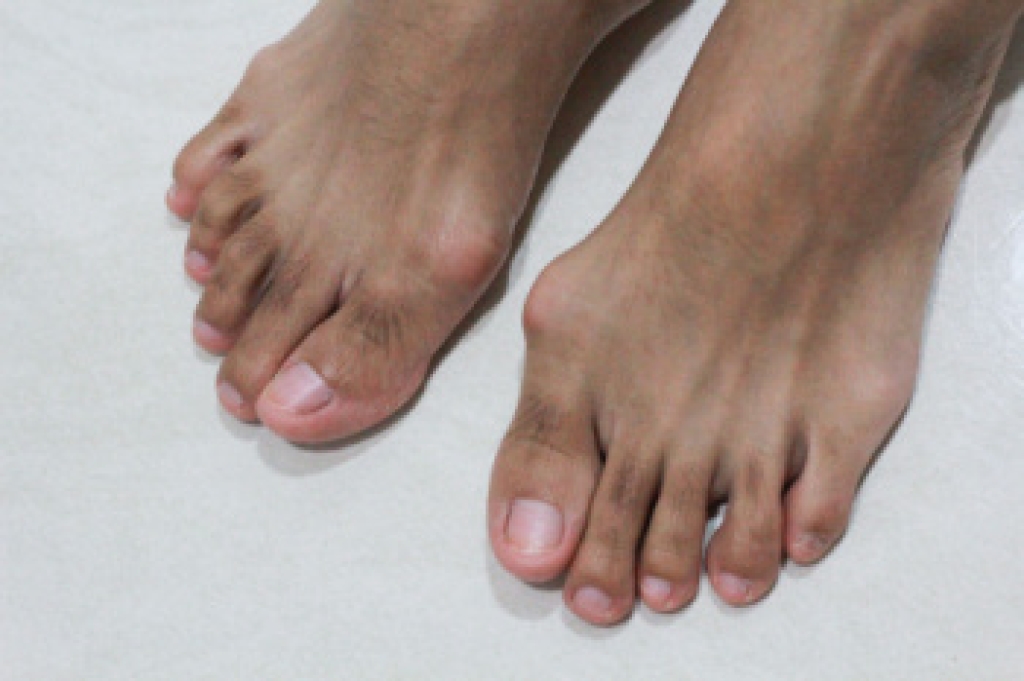
Why Toenail Fungus Develops More Easily in Some People

Onychomycosis is the medical term for a fungal infection that affects the toenails, often causing thickening, discoloration, crumbling, or changes in nail shape. While anyone can develop this condition, some individuals are more likely to experience it because of underlying health concerns or environmental exposure. Reduced circulation, diabetes, repeated nail trauma, and increasing age may make the nails more vulnerable to infection. People who frequently wear tight shoes, have excessive foot perspiration, or spend time in shared damp spaces such as locker rooms may also face a greater chance of developing fungal nail problems. Athlete’s foot, which is a fungal skin infection affecting the feet, can sometimes spread into the nails, if left untreated. A podiatrist can confirm whether nail changes are caused by fungus or another condition, and recommend proper treatment. If your toenails become thickened, brittle, or discolored, it is suggested that you visit a podiatrist for an evaluation and appropriate treatment.

For more information about treatment, contact Adam Klein, DPM of Lynbrook, NY. Our practitioner can provide the care you need to keep you pain-free and on your feet.

Toenail Fungus Treatment

Toenail fungus is a condition that affects many people and can be especially hard to get rid of. Fortunately, there are several methods to go about treating and avoiding it.

Antifungals & Deterrence

Oral antifungal medicine has been shown to be effective in many cases. It is important to consult with a podiatrist to determine the proper regiment for you, or potentially explore other options.

Applying foot powder on the feet and shoes helps keep the feet free of moisture and sweat.

Sandals or open toed shoes – Wearing these will allow air movement and help keep feet dry. They also expose your feet to light, which fungus cannot tolerate. Socks with moisture wicking material also help as well.

If you have any questions please contact our office located in Contact Us . We offer the newest diagnostic and treatment technologies for all your foot and ankle needs.
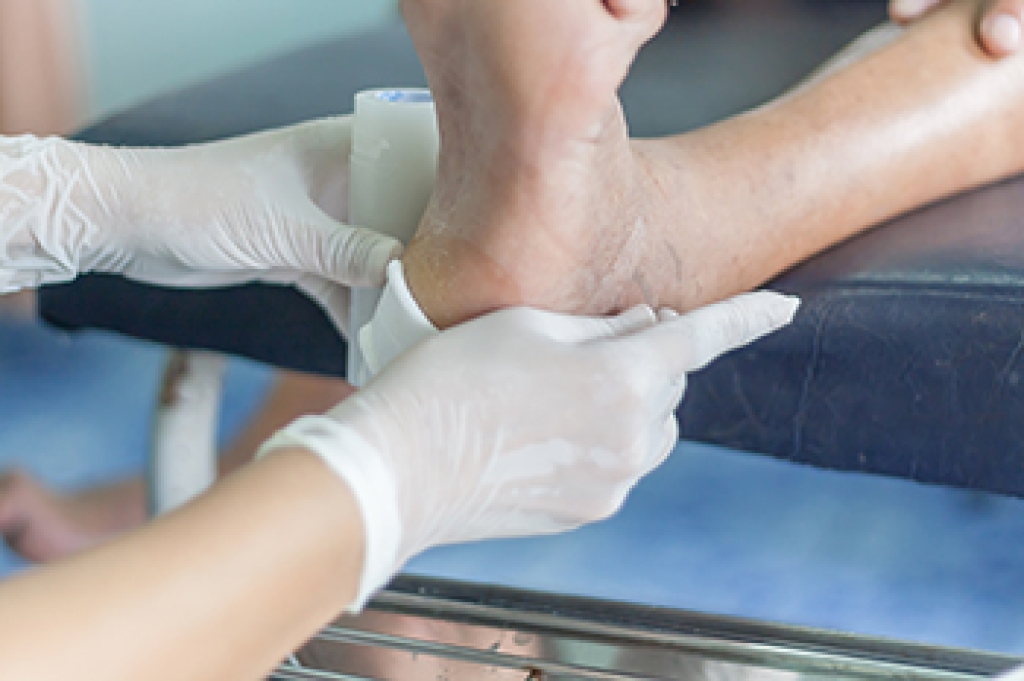
Read more about How to Treat Your Toenail Fungus

We Can Treat Your Foot or Ankle Pain

Foot or ankle pain can negatively affect your day-to-day life and can occur due to several different conditions. Pain can also be an indicator of a more serious underlying condition, which is why you should seek professional help as soon as you notice any abnormalities in your feet.

Causes and Prevention of Foot Puncture Wounds

Foot puncture wounds are injuries caused by sharp objects piercing the skin, often resulting from accidental trauma. These injuries are commonly seen when individuals step on nails, broken glass, or other pointed materials. Although the external wound may appear minor, the internal damage can be more significant. Bacteria can enter deep into the tissue, creating an environment where infection can develop quickly. Recognizing how these injuries occur helps individuals take steps to protect their foot health.

The symptoms of a puncture wound can vary depending on the depth and severity of the injury. Initial signs often include bleeding, localized pain, and sensitivity when pressure is applied. As the body responds, swelling and redness may appear around the affected area. If infection develops, additional symptoms like warmth, drainage, and increased pain may occur. These signs indicate that the body is reacting to bacteria introduced during the injury. Prompt attention to these symptoms is important for preventing further complications.


Several risk factors can increase the likelihood of sustaining a puncture wound or developing complications. Walking barefoot in unfamiliar or unsafe environments is one of the most common causes. Footwear that lacks proper protection can also allow sharp objects to penetrate the sole. Occupational hazards, outdoor activities, and cluttered living spaces may further increase risk. Preventative strategies include wearing durable shoes, keeping living and work areas free of sharp debris, and remaining cautious in high risk environments.


In summary, foot puncture wounds are preventable injuries that require careful attention due to the risk of infection. Protecting the feet with appropriate footwear and avoiding barefoot exposure are simple yet effective measures. If you have incurred a foot puncture wound or notice signs of infection, it is strongly suggested that you promptly consult a podiatrist for effective relief and treatment solutions.

Wound care is an important part in dealing with diabetes. If you have diabetes and a foot wound or would like more information about wound care for diabetics, consult with Adam Klein, DPM from Lynbrook, NY. Our practitioner will assess your condition and provide you with quality foot and ankle treatment.

What Is Wound Care?

Wound care is the practice of taking proper care of a wound. This can range from the smallest to the largest of wounds. While everyone can benefit from proper wound care, it is much more important for diabetics. Diabetics often suffer from poor blood circulation which causes wounds to heal much slower than they would in a non-diabetic. 

What Is the Importance of Wound Care?

While it may not seem apparent with small ulcers on the foot, for diabetics, any size ulcer can become infected. Diabetics often also suffer from neuropathy, or nerve loss. This means they might not even feel when they have an ulcer on their foot. If the wound becomes severely infected, amputation may be necessary. Therefore, it is of the upmost importance to properly care for any and all foot wounds.

How to Care for Wounds

The best way to care for foot wounds is to prevent them. For diabetics, this means daily inspections of the feet for any signs of abnormalities or ulcers. It is also recommended to see a podiatrist several times a year for a foot inspection. If you do have an ulcer, run the wound under water to clear dirt from the wound; then apply antibiotic ointment to the wound and cover with a bandage. Bandages should be changed daily and keeping pressure off the wound is smart. It is advised to see a podiatrist, who can keep an eye on it.

If you have any questions please contact our office located in Contact Us . We offer the newest diagnostic and treatment technologies for all your foot and ankle needs.
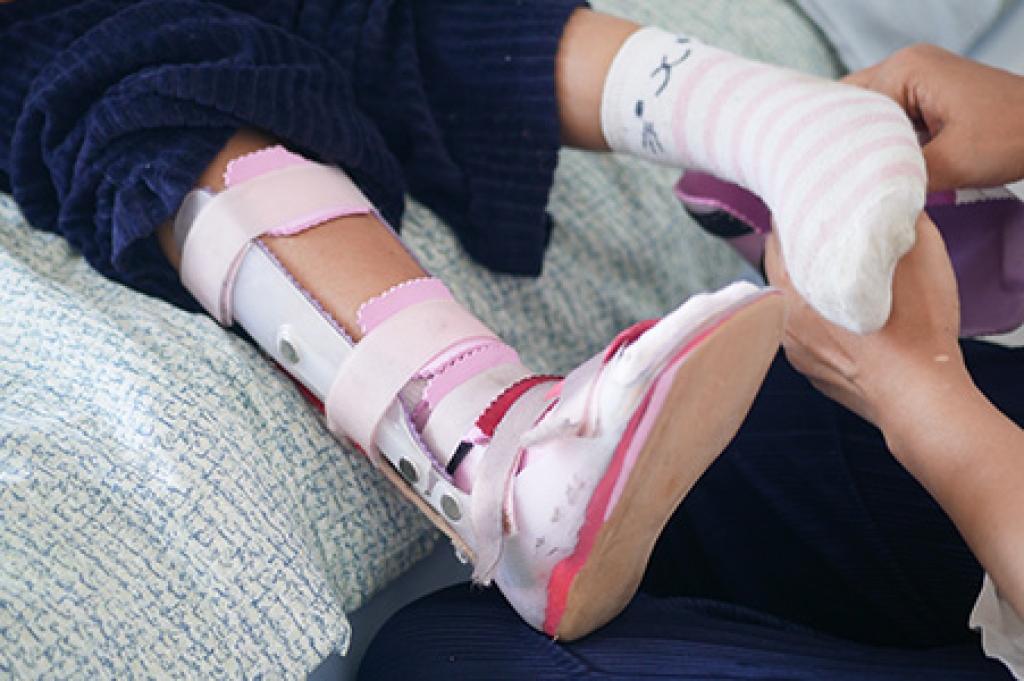
Read more about Wound Care

Helping Kids Adapt to Ankle Bracing for Foot Conditions

Children with certain foot conditions may require ankle bracing to support proper alignment and improve walking mechanics. Ankle braces are commonly used to manage issues such as foot drop, pigeon toe, and clubfoot. These conditions can affect how the foot moves during walking, leading to instability and inefficient movement. Bracing helps guide the foot into a more natural position, allowing for improved balance and reduced strain on developing joints and muscles.

Signs that a child may benefit from ankle bracing include dragging of the foot, inward turning of the toes, or visible deformity in the foot structure. Foot drop can make it difficult to lift the front of the foot, increasing the risk of tripping. Pigeon toe often results in an inward gait that affects posture and coordination. Clubfoot is a structural condition present at birth that requires early and consistent management. Addressing these symptoms early can support better long term outcomes.


Risk factors for these conditions may include genetic influences, developmental variations, or neuromuscular disorders. Bracing provides external support that helps compensate for muscle weakness or structural misalignment. Establishing a daily routine for wearing the brace is essential for effectiveness. Gradually increasing wear time and incorporating brace use into normal activities can help children adapt more easily.


Comfort plays a significant role in whether a child accepts and benefits from bracing. Ensuring the brace fits correctly and does not cause pressure points is critical. Encouraging brace playtime allows children to remain active while adjusting to the device. Regular monitoring and adjustments help maintain proper function as the child grows. If your child has a condition that may benefit from wearing a foot brace, it is suggested that you consult a podiatrist for effective guidance to ensure healthy foot development.

If you are having discomfort in your feet and would like to try orthotics, contact Adam Klein, DPM from Lynbrook, NY. Our practitioner can provide the care you need to keep you pain-free and on your feet.

What Are Orthotics?

Orthotics are inserts you can place into your shoes to help with a variety of foot problems such as flat feet or foot pain. Orthotics provide relief and comfort for minor foot and heel pain but can’t correct serious biomechanical problems in your feet.

Over-the-Counter Inserts

Orthotics come in a wide variety of over-the-counter inserts that are used to treat foot pain, heel pain, and minor problems. For example, arch supports can be inserted into your shoes to help correct overarched or flat feet, while gel insoles are often used because they provide comfort and relief from foot and heel pain by alleviating pressure.

Prescription Orthotics

If over-the-counter inserts don’t work for you or if you have a more severe foot concern, it is possible to have your podiatrist prescribe custom orthotics. These high-quality inserts are designed to treat problems such as abnormal motion, plantar fasciitis, and severe forms of heel pain. They can even be used to help patients suffering from diabetes by treating foot ulcers and painful calluses and are usually molded to your feet individually, which allows them to provide full support and comfort.

If you are experiencing minor to severe foot or heel pain, it’s recommended to speak with your podiatrist about the possibilities of using orthotics. A podiatrist can determine which type of orthotic is right for you and allow you to take the first steps towards being pain-free.

If you have any questions, please feel free to contact our office located in Contact Us . We offer the newest diagnostic and treatment technologies for all your foot care needs.

Read more about Ankle Foot Orthotics for Athletes

What Causes Bunions and How They Affect Foot Health

A bunion is a bony enlargement that forms at the base of the big toe when the joint becomes misaligned. This condition, also known as hallux valgus, develops gradually as the big toe shifts toward the second toe, creating a visible bump on the side of the foot. Bunions are a common source of foot pain and can interfere with daily activities such as walking or standing. Over time, the joint may become stiff and inflamed, leading to reduced mobility. Understanding bunions is important for maintaining proper foot structure and preventing long term complications.

Symptoms of bunions often begin with mild discomfort and progress as the deformity worsens. Individuals may notice swelling, redness, and tenderness surrounding the big toe joint. Pain may increase when wearing tight or narrow shoes, especially those with a pointed toe box. Some people experience callus formation due to friction between the toes, while others develop limited movement in the joint. In more advanced cases, the big toe may overlap or press against neighboring toes, causing additional irritation and imbalance.

Several risk factors contribute to the development of bunions. Genetics play a significant role, as inherited foot structure can predispose individuals to joint misalignment. Wearing ill-fitting or high-heeled shoes increases pressure on the forefoot and accelerates the condition. Flat feet, ligament laxity, and certain medical conditions, such as arthritis, also raise the risk. Occupations or activities that involve prolonged standing or repetitive stress on the feet may further contribute to bunion formation. Recognizing these factors can help guide prevention and early management.

The primary cause of bunions is an imbalance in the forces acting on the foot, which leads to joint instability over time. Poor footwear choices, structural abnormalities, and abnormal gait patterns all contribute to this imbalance. Early attention to symptoms can slow progression and reduce discomfort. Wearing supportive shoes, custom orthotics, and lifestyle adjustments may provide relief. If you have a bunion, it is suggested you consult a podiatrist for an accurate diagnosis and appropriate treatment.

If you are suffering from bunion pain, contact Adam Klein, DPM of Lynbrook, NY. Our practitioner can provide the care you need to keep you pain-free and on your feet.

What Is a Bunion?

Bunions are painful bony bumps that usually develop on the inside of the foot at the joint of the big toe. As the deformity increases over time, it may become painful to walk and wear shoes. Women are more likely to exacerbate existing bunions since they often wear tight, narrow shoes that shift their toes together. Bunion pain can be relieved by wearing wider shoes with enough room for the toes.

Causes

  • Genetics – some people inherit feet that are more prone to bunion development
  • Inflammatory Conditions - rheumatoid arthritis and polio may cause bunion development

Symptoms

  • Redness and inflammation
  • Pain and tenderness
  • Callus or corns on the bump
  • Restricted motion in the big toe

In order to diagnose your bunion, your podiatrist may ask about your medical history, symptoms, and general health. Your doctor might also order an x-ray to take a closer look at your feet. Nonsurgical treatment options include orthotics, padding, icing, changes in footwear, and medication. If nonsurgical treatments don’t alleviate your bunion pain, surgery may be necessary.

If you have any questions, please feel free to contact our office located in Contact Us . We offer the newest diagnostic and treatment technologies for all your foot care needs.

Read more about What Are Bunions?
scroll to top